A lock that grabs, sticks, or needs a little jiggle to work is easy to shrug off, right up until the morning the key will not turn at all and you are stuck on your own porch. A sticky lock is rarely random. It is a clear early warning that something inside the lock or the door is wearing or shifting, and catching it now usually means a quick, inexpensive fix instead of an emergency lockout later. Here is how to understand what your door is telling you and what to do about it.
What a sticky lock is really telling you
Smooth lock operation depends on three things working together: a clean cylinder with freely moving pins, a key that matches those pins precisely, and a door and frame aligned so the bolt slides easily into the strike. When a lock starts sticking, one of those three is drifting out of tune. Figuring out which one saves you from throwing money at the wrong fix.
Cause one: dirt and grime in the cylinder
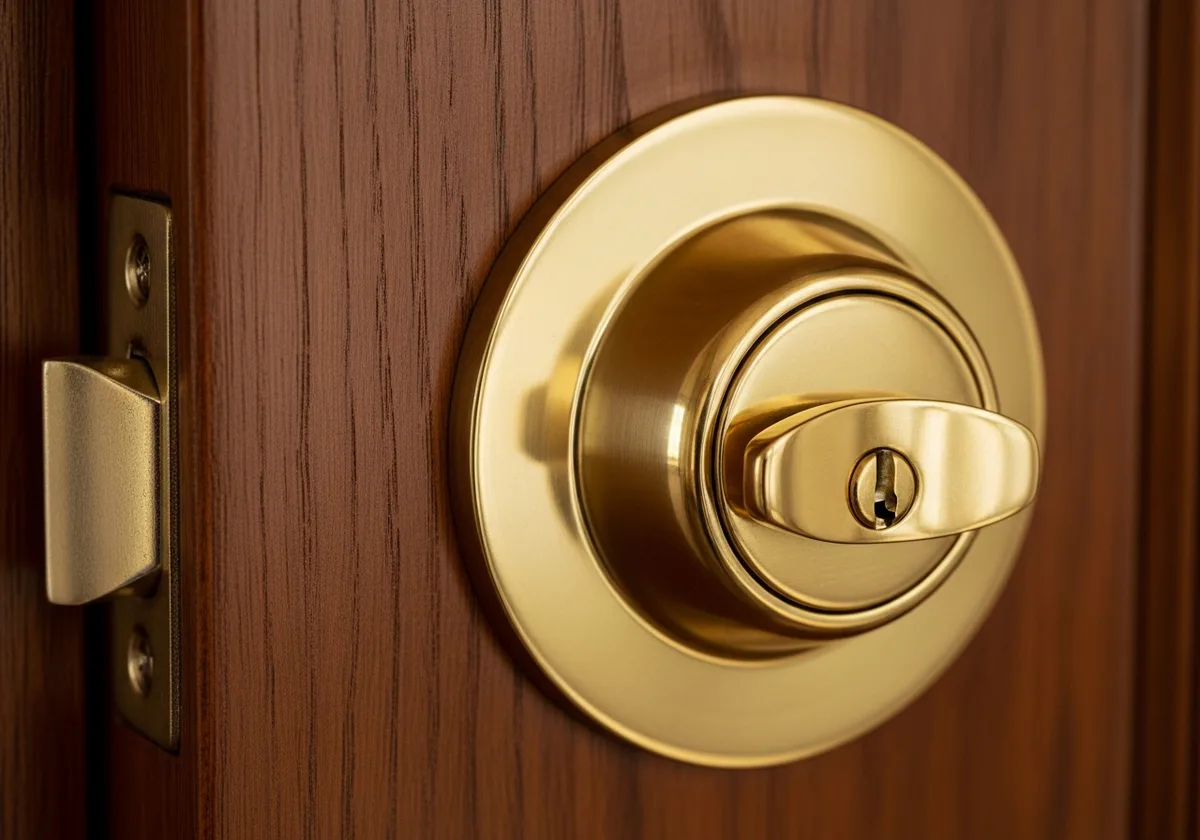
Over months and years, dust, pocket lint, and fine debris work their way into the keyway and settle around the pins. The result is a cylinder that feels gritty and resists turning. A lock-specific dry lubricant, such as a graphite or dry PTFE product, usually restores smooth operation by coating the internals without attracting more dirt. Apply a small amount, work the key in and out a few times, and wipe away the excess.
Cause two: a worn or poorly copied key
Every key wears a little with use, and a key cut from another copy rather than the original can drift out of spec. A key that is worn, bent, or imprecise no longer lines up cleanly with the pins, so it binds even when the lock itself is healthy. If a freshly cut key turns smoothly where your daily key sticks, the key was the problem all along, and cutting a new one from a good original is an easy fix.
Cause three: a misaligned door or frame
Doors move. Wood swells and shrinks with humidity, houses settle over time, and hinges loosen, all of which can shift the door so the bolt no longer lines up neatly with the strike plate. When that happens the lock feels sticky and the bolt drags, even though the cylinder and key are fine. Look for scrape marks on the strike plate, a door that has to be lifted or pushed to lock, or gaps that have changed over the seasons. Tightening hinges or adjusting the strike often solves it.
What you can safely try first
Start simple and cheap. Clean and dry-lubricate the cylinder, then test with your key. If it still sticks, try a spare or a freshly cut key to rule out the key. Finally, check the alignment by watching how the bolt meets the strike when you lock the door slowly. Working through these in order tells you whether you are dealing with the cylinder, the key, or the door before you call anyone.
What not to do
Do not reach for household oil, WD-style sprays, or cooking oil. Oily lubricants feel like they help at first, but they attract dust and grit and gum up the cylinder over time, making the problem worse. Do not force a sticking key, since a key under heavy pressure can snap off inside the lock and leave you with a far bigger repair. And do not keep using a key you can feel wearing down, because pushing a failing key day after day grinds the cylinder pins too.
When to call a locksmith
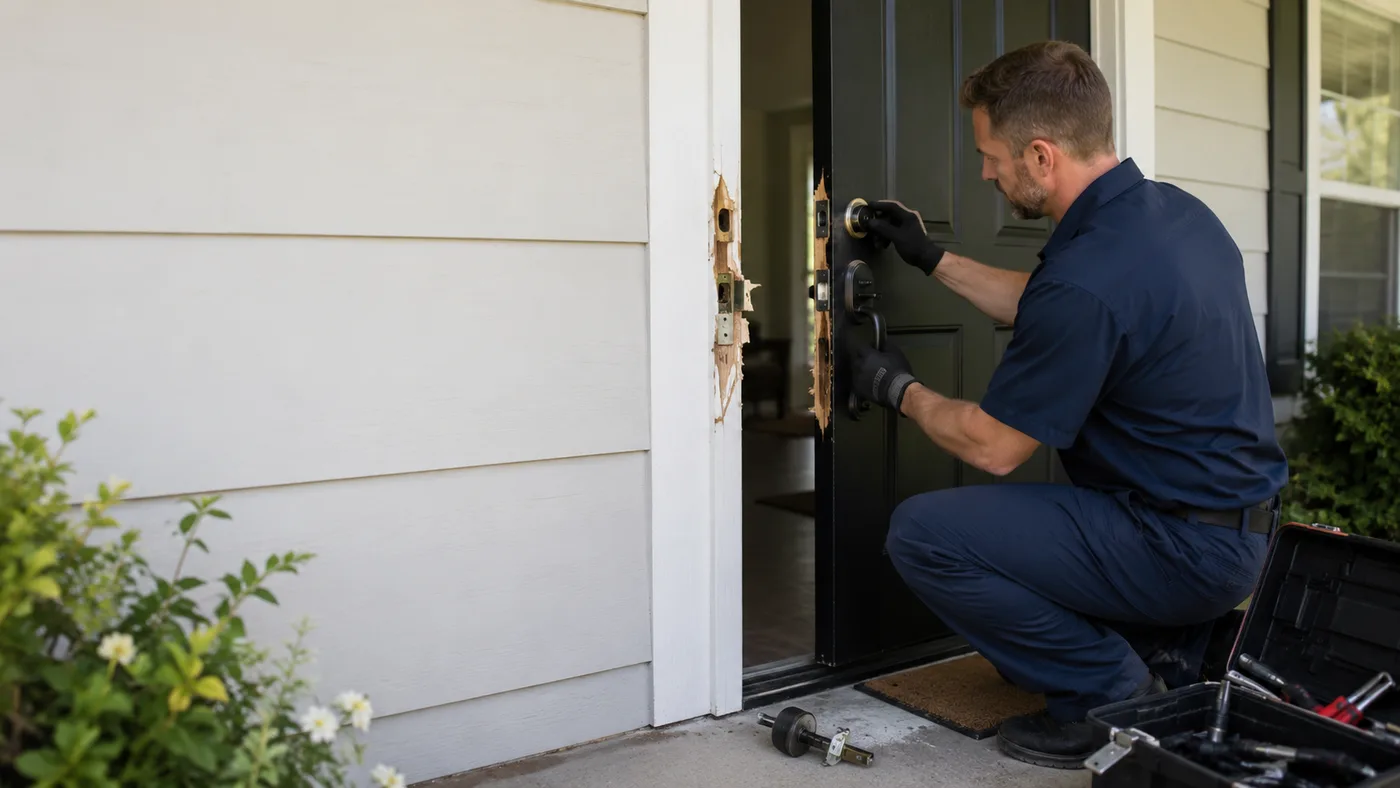
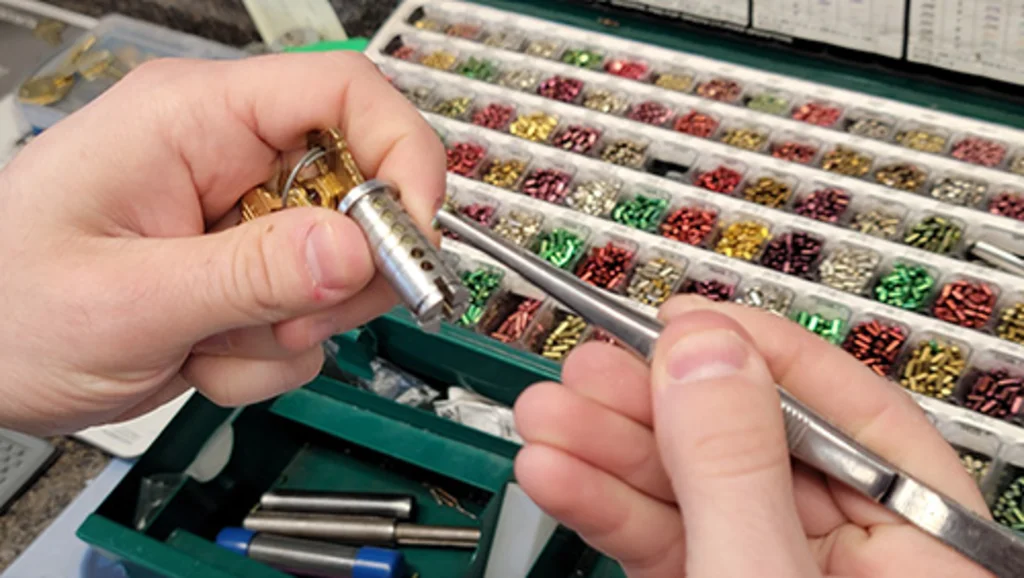
If cleaning, a fresh key, and a strike adjustment do not restore smooth operation, the cylinder is likely wearing out internally and a sticky lock can seize without much more warning. A locksmith can rekey or replace the cylinder, cut keys that match perfectly, and correct alignment issues so the door closes and locks easily. Doing this on your schedule is far better than calling during a lockout when the lock finally gives up.
Why this happens so often in Palm Beach County
Our climate is practically designed to make locks stick. The high humidity and salt air off the Intracoastal and the ocean swell wooden doors and encourage corrosion inside lock cylinders, which is why homes in coastal areas like Palm Beach, Lantana, and Juno Beach often feel the problem first. The daily swing between air-conditioned interiors and hot, humid exteriors makes doors expand and contract constantly, nudging them out of alignment. Driving rain during storm season drives moisture into exterior hardware, and homes that sit empty while snowbirds are away can come back to stiff, sticky locks after months of humidity with no use. A dry lubricant and a seasonal check go a long way here.
A sticky lock almost never fixes itself, and it usually gets worse at the worst possible moment. If cleaning and a fresh key have not solved it, call (561) 839-9919 and a licensed, insured locksmith will rekey, repair, or replace the lock and set the alignment right, so you are not stuck on the porch in the next rainstorm.
Frequently Asked Questions
What is the best lubricant for a sticking lock?
Use a lock-specific dry lubricant such as graphite or dry PTFE. Avoid oily sprays and household oils, which attract dust and make sticking worse over time.
Why does my lock stick more in humid weather?
Humidity swells wooden doors and frames and encourages corrosion inside the cylinder, both of which cause binding. South Florida's salt air and humidity make this especially common.
Can a new key fix a sticky lock?
Often, yes. A worn or poorly copied key binds against the pins. A fresh key cut from a good original frequently restores smooth operation.
Is a sticky lock a sign it is about to fail?
Usually. Sticking is an early warning that the cylinder, key, or door alignment is drifting. Addressing it now is much cheaper than a seized lock and a lockout.
Should I rekey or replace a worn cylinder?
If the hardware is otherwise sound, rekeying with a fresh cylinder is often enough. A locksmith can advise whether repair, rekey, or replacement makes the most sense.